Buy wittenburg.eu ?
We are moving the project
wittenburg.eu .
Are you interested in purchasing the domain
wittenburg.eu ?
domain@kv-gmbh.de · 0541-91531010
Buy wittenburg.eu ?
Why are woodlice called woodlice?
Woodlice are called woodlice because they are commonly found in damp, dark environments such as under logs, rocks, and in decaying wood. They are also known to feed on decaying organic matter, including wood. The name "woodlice" reflects their habitat and diet preferences, as they are often associated with wood and other organic materials. **
What are fluorescent woodlice?
Fluorescent woodlice are woodlice that have been genetically modified to produce a fluorescent protein, causing them to glow under ultraviolet light. This modification allows researchers to track the movement and behavior of the woodlice in experiments. Fluorescent woodlice are commonly used in scientific studies to understand their behavior, ecology, and interactions with their environment. **


Similar search terms for Woodlice
Top-Angebote
Products related to Woodlice:
-
From the Archives: Black History and Culture Value PackThis brand-new series is rooted in a profound commitment to shedding light on some of the important -- and often lesser-known -- aspects of Black history. From the Archives features landmarks, events, people, and artistic endeavors that have played...27,99 $*Shipping: 0,00 $Secure redirect to the provider
-
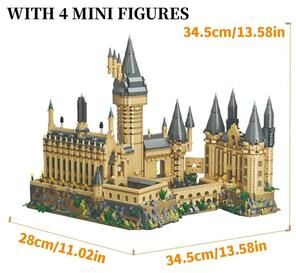
Uplift Essentials Medieval Magic Castle Micro Bricks School Architecture Palace Model High Yield Creative Interaction Hub no LightAchieve imagination optimization with this Precision MicroBrick Magic Castle. Specifically engineered for structural transparency, this highperformance technical tool acts as a vital tool for assembly efficiency, neutralizing the limitations of...224,97 $*Shipping: 0,00 $Secure redirect to the provider
-
Orion The Book of Humans by Adam Rutherford – A Brief History of Culture, Sex, War & EvolutionWHAT MAKES US HUMAN? Waging war? Sex for pleasure? Creating art? Mastery of fire? In this thrilling tour of the animal kingdom, Adam Rutherford tells the story of how we became the unique creatures we are today. Illuminated by the latest scientific discoveries, THE BOOK OF HUMANS is a dazzling compendium of what unequivocally fixes us as animals, and reveals how we are extraordinary among them.4,98 £*Shipping: 1,99 £Secure redirect to the provider
-
Zygomatic Timeline Refresh 2026 Clutch Box - Card Game for 2-4 Players Ages 10+ History Culture TriviaTest your knowledge of history, culture, and everyday events with Timeline Refresh 2026, a compact card game for family and friends. Each round challenges players to place event cards in the correct chronological position, using the timeline already on the table as their guide. Choose an event card, estimate when it happened, and add it to the timeline. If your placement is correct, the card remains in play; if not, it is removed. The first player to position all their cards correctly wins. The game's accessible rules and varied subject matter make it an engaging way to challenge your memory and learn interesting facts while playing. The clutch box format is designed for convenient storage and portability.9,53 £*Shipping: 3,95 £Secure redirect to the provider



-
What helps against woodlice?
To help control woodlice infestations, it is important to eliminate their hiding spots by removing debris, mulch, and other organic matter from around the home. Sealing cracks and crevices in the foundation and walls can also prevent woodlice from entering the house. Additionally, using insecticides or natural repellents such as diatomaceous earth or cedar oil can help deter woodlice from infesting your home. **
-
What do woodlice eat?
Woodlice are detritivores, which means they primarily feed on decaying organic matter such as dead leaves, wood, and other plant material. They also consume fungi and algae. Additionally, woodlice may feed on small insects or other invertebrates if given the opportunity. Overall, woodlice play an important role in the decomposition of organic matter in their environment. **
-
Do woodlice like clay?
Woodlice prefer damp and dark environments, so they are not typically attracted to clay, which is dry and compact. Woodlice are more commonly found in moist areas such as under rocks, logs, and in decaying organic matter. Therefore, it is unlikely that woodlice would be particularly drawn to clay as a habitat. **
-
Why are woodlice called that?
Woodlice are called that because they are small crustaceans that are commonly found in damp and decaying wood or leaf litter. They have a hard exoskeleton that resembles the texture of wood, and they curl up into a ball when threatened, resembling a small piece of wood. The name "woodlice" reflects their habitat and physical characteristics, making it a fitting and descriptive name for these creatures. **

How do you find woodlice?
Woodlice can typically be found in damp, dark environments such as under rocks, logs, and leaf litter. They are also commonly found in gardens, especially in areas with moist soil and decaying plant matter. To find woodlice, you can search in these types of habitats, particularly in the evening or at night when they are most active. You can also attract them by placing a damp piece of wood or other organic material on the ground and checking underneath it after a few hours. **
Where do woodlice come from?
Woodlice, also known as pill bugs or roly-polies, are crustaceans that are commonly found in damp, dark environments such as under rocks, logs, and in leaf litter. They are not insects, but are actually more closely related to shrimp and crayfish. Woodlice come from eggs that are laid by adult females, and they undergo a process of molting as they grow, shedding their exoskeleton to reveal a new, larger one underneath. They are important decomposers in the ecosystem, feeding on decaying plant material and helping to break it down. **
Top-Angebote
Products related to Woodlice:
-
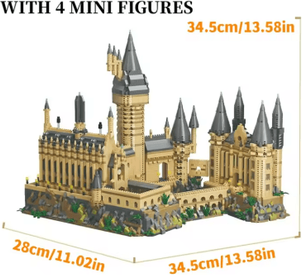
Inspire Picks Medieval Magic Castle Micro Building Block Set For Creative Architecture Play with LightEnter a world of fantasy, imagination, and handson creativity with this enchanting magic castle building block set inspired by medieval palaces and grand schoolstyle architecture. Designed with precision micro bricks, this detailed MOC construction...171,03 $*Shipping: 0,00 $Secure redirect to the provider
-
Inspire Curations Creative Medieval Magic Castle Micro Building Blocks School Architecture Palace DIY Set with LightStep into a world of imagination and craftsmanship with this intricate medieval castle building blocks set designed for creative minds. Built with precision micro bricks, this micro building blocks castle offers a detailed and rewarding assembly...230,00 $*Shipping: 0,00 $Secure redirect to the provider
-
From the Archives: Black History and Culture Value PackThis brand-new series is rooted in a profound commitment to shedding light on some of the important -- and often lesser-known -- aspects of Black history. From the Archives features landmarks, events, people, and artistic endeavors that have played...27,99 $*Shipping: 0,00 $Secure redirect to the provider
-
Uplift Essentials Medieval Magic Castle Micro Bricks School Architecture Palace Model High Yield Creative Interaction Hub no LightAchieve imagination optimization with this Precision MicroBrick Magic Castle. Specifically engineered for structural transparency, this highperformance technical tool acts as a vital tool for assembly efficiency, neutralizing the limitations of...224,97 $*Shipping: 0,00 $Secure redirect to the provider
-
Why are woodlice called woodlice?
Woodlice are called woodlice because they are commonly found in damp, dark environments such as under logs, rocks, and in decaying wood. They are also known to feed on decaying organic matter, including wood. The name "woodlice" reflects their habitat and diet preferences, as they are often associated with wood and other organic materials. **
-
What are fluorescent woodlice?
Fluorescent woodlice are woodlice that have been genetically modified to produce a fluorescent protein, causing them to glow under ultraviolet light. This modification allows researchers to track the movement and behavior of the woodlice in experiments. Fluorescent woodlice are commonly used in scientific studies to understand their behavior, ecology, and interactions with their environment. **
-
What helps against woodlice?
To help control woodlice infestations, it is important to eliminate their hiding spots by removing debris, mulch, and other organic matter from around the home. Sealing cracks and crevices in the foundation and walls can also prevent woodlice from entering the house. Additionally, using insecticides or natural repellents such as diatomaceous earth or cedar oil can help deter woodlice from infesting your home. **
-
What do woodlice eat?
Woodlice are detritivores, which means they primarily feed on decaying organic matter such as dead leaves, wood, and other plant material. They also consume fungi and algae. Additionally, woodlice may feed on small insects or other invertebrates if given the opportunity. Overall, woodlice play an important role in the decomposition of organic matter in their environment. **
Similar search terms for Woodlice
-
Orion The Book of Humans by Adam Rutherford – A Brief History of Culture, Sex, War & EvolutionWHAT MAKES US HUMAN? Waging war? Sex for pleasure? Creating art? Mastery of fire? In this thrilling tour of the animal kingdom, Adam Rutherford tells the story of how we became the unique creatures we are today. Illuminated by the latest scientific discoveries, THE BOOK OF HUMANS is a dazzling compendium of what unequivocally fixes us as animals, and reveals how we are extraordinary among them.4,98 £*Shipping: 1,99 £Secure redirect to the provider
-
Zygomatic Timeline Refresh 2026 Clutch Box - Card Game for 2-4 Players Ages 10+ History Culture TriviaTest your knowledge of history, culture, and everyday events with Timeline Refresh 2026, a compact card game for family and friends. Each round challenges players to place event cards in the correct chronological position, using the timeline already on the table as their guide. Choose an event card, estimate when it happened, and add it to the timeline. If your placement is correct, the card remains in play; if not, it is removed. The first player to position all their cards correctly wins. The game's accessible rules and varied subject matter make it an engaging way to challenge your memory and learn interesting facts while playing. The clutch box format is designed for convenient storage and portability.9,53 £*Shipping: 3,95 £Secure redirect to the provider
-
Inspire Essentials Medieval Magic Castle Micro Building Blocks Set bBring fantasy adventures to life with this beautifully crafted medieval castle building set designed for creative minds and collectors alike. Featuring detailed micro building blocks, this immersive construction toy offers a rewarding hands on...138,98 $*Shipping: 0,00 $Secure redirect to the provider
-
Inspire Picks Medieval Magic Castle Micro Building Block Set For Creative Architecture Play no LightEnter a world of fantasy, imagination, and handson creativity with this enchanting magic castle building block set inspired by medieval palaces and grand schoolstyle architecture. Designed with precision micro bricks, this detailed MOC construction...167,25 $*Shipping: 0,00 $Secure redirect to the provider
-
Do woodlice like clay?
Woodlice prefer damp and dark environments, so they are not typically attracted to clay, which is dry and compact. Woodlice are more commonly found in moist areas such as under rocks, logs, and in decaying organic matter. Therefore, it is unlikely that woodlice would be particularly drawn to clay as a habitat. **
-
Why are woodlice called that?
Woodlice are called that because they are small crustaceans that are commonly found in damp and decaying wood or leaf litter. They have a hard exoskeleton that resembles the texture of wood, and they curl up into a ball when threatened, resembling a small piece of wood. The name "woodlice" reflects their habitat and physical characteristics, making it a fitting and descriptive name for these creatures. **
-
How do you find woodlice?
Woodlice can typically be found in damp, dark environments such as under rocks, logs, and leaf litter. They are also commonly found in gardens, especially in areas with moist soil and decaying plant matter. To find woodlice, you can search in these types of habitats, particularly in the evening or at night when they are most active. You can also attract them by placing a damp piece of wood or other organic material on the ground and checking underneath it after a few hours. **
-
Where do woodlice come from?
Woodlice, also known as pill bugs or roly-polies, are crustaceans that are commonly found in damp, dark environments such as under rocks, logs, and in leaf litter. They are not insects, but are actually more closely related to shrimp and crayfish. Woodlice come from eggs that are laid by adult females, and they undergo a process of molting as they grow, shedding their exoskeleton to reveal a new, larger one underneath. They are important decomposers in the ecosystem, feeding on decaying plant material and helping to break it down. **
* All prices are inclusive of VAT and, if applicable, plus shipping costs. The offer information is based on the details provided by the respective shop and is updated through automated processes. Real-time updates do not occur, so deviations can occur in individual cases. ** Note: Parts of this content were created by AI.