Buy wittenburg.eu ?
We are moving the project
wittenburg.eu .
Are you interested in purchasing the domain
wittenburg.eu ?
domain@kv-gmbh.de · 0541-91531010
Buy wittenburg.eu ?
How does a hypervisor work?
A hypervisor works by creating and managing virtual machines on a physical server. It sits between the hardware and the operating systems of the virtual machines, allowing multiple operating systems to run on the same physical hardware simultaneously. The hypervisor allocates resources such as CPU, memory, and storage to each virtual machine, ensuring that they operate independently and securely. It also provides features such as virtual networking and storage to enable communication between virtual machines and the physical hardware. **
How many physical CPUs are supported on a free VMware Hypervisor?
The free VMware Hypervisor, also known as VMware vSphere Hypervisor, supports up to two physical CPUs per host. This means that you can have a maximum of two physical CPUs in a server running the free VMware Hypervisor. If you need to support more physical CPUs, you would need to upgrade to a paid version of VMware vSphere. **


Similar search terms for Hypervisor
Top-Angebote
Products related to Hypervisor:
-
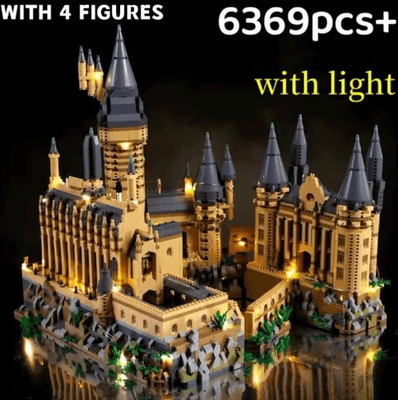
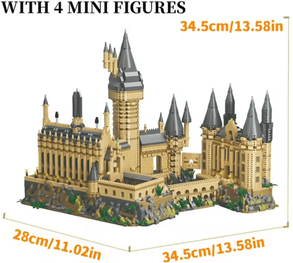
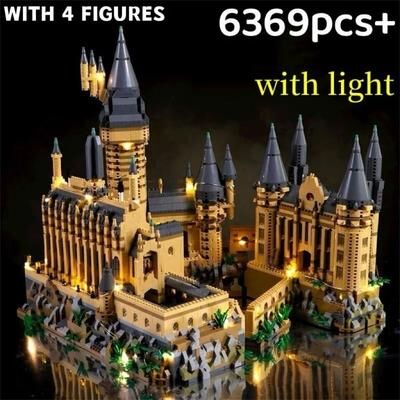
Inspire Picks Medieval Magic Castle Micro Building Block Set For Creative Architecture Play with LightEnter a world of fantasy, imagination, and handson creativity with this enchanting magic castle building block set inspired by medieval palaces and grand schoolstyle architecture. Designed with precision micro bricks, this detailed MOC construction...171,03 $*Shipping: 0,00 $Secure redirect to the provider
-
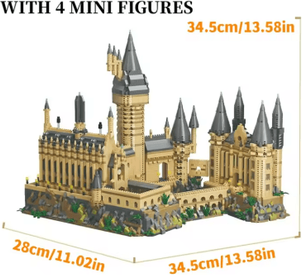
Inspire Curations Creative Medieval Magic Castle Micro Building Blocks School Architecture Palace DIY Set no LightStep into a world of imagination and craftsmanship with this intricate medieval castle building blocks set designed for creative minds. Built with precision micro bricks, this micro building blocks castle offers a detailed and rewarding assembly...225,50 $*Shipping: 0,00 $Secure redirect to the provider
-
Uplift Essentials Medieval Magic Castle Micro Bricks School Architecture Palace Model High Yield Creative Interaction Hub with LightAchieve imagination optimization with this Precision MicroBrick Magic Castle. Specifically engineered for structural transparency, this highperformance technical tool acts as a vital tool for assembly efficiency, neutralizing the limitations of...226,97 $*Shipping: 0,00 $Secure redirect to the provider
-
From the Archives: Black History and Culture Value PackThis brand-new series is rooted in a profound commitment to shedding light on some of the important -- and often lesser-known -- aspects of Black history. From the Archives features landmarks, events, people, and artistic endeavors that have played...27,99 $*Shipping: 0,00 $Secure redirect to the provider

-
What are the advantages and disadvantages of the Type-1-2 hypervisor?
The Type-1-2 hypervisor, also known as a bare-metal hypervisor, has several advantages. It provides better performance and efficiency compared to Type-2 hypervisors because it runs directly on the physical hardware. It also offers greater security and isolation since it has direct access to the hardware and does not rely on the host operating system. However, a disadvantage of the Type-1-2 hypervisor is that it may be more complex to set up and manage compared to Type-2 hypervisors, as it requires more technical expertise. Additionally, it may have limited support for certain hardware and devices compared to Type-2 hypervisors. **
-
Is Neuschwanstein Castle a medieval castle?
No, Neuschwanstein Castle is not a medieval castle. It was built in the 19th century by King Ludwig II of Bavaria in a romanticized medieval style. The castle's design was inspired by medieval castles, but it was constructed using modern building techniques and materials. Despite its medieval appearance, Neuschwanstein Castle is considered a 19th-century palace. **
-
How can the hypervisor of Windows 10 be disabled if it is not working?
If the hypervisor of Windows 10 is not working, it can be disabled by accessing the system's BIOS or UEFI settings. To do this, restart the computer and enter the BIOS or UEFI settings by pressing the designated key (often F2, F10, or Del) during the boot process. Once in the settings, navigate to the virtualization or hypervisor section and disable it. Save the changes and exit the settings, and the hypervisor should be disabled. Keep in mind that accessing and modifying the BIOS or UEFI settings should be done with caution, as it can affect the overall functionality of the system. **
-
What is the difference between a host VM and a guest VM in terms of the hypervisor and virtualization?
A host VM, also known as the host operating system, is the primary operating system installed directly on the physical hardware of the server. It is responsible for managing the physical resources of the server and running the hypervisor software. The hypervisor, also known as the virtual machine monitor, is a software layer that allows multiple guest VMs to run on the same physical server. On the other hand, a guest VM is a virtual machine that runs on top of the hypervisor. It is a separate, isolated instance of an operating system and applications that share the physical resources of the server with other guest VMs. The hypervisor manages the allocation of resources and provides a layer of abstraction between the guest VMs and the physical hardware, allowing them to run independently of each other. **

What are electricity and high culture history?
Electricity history refers to the development and use of electricity as a form of energy, including the discovery of electricity, the invention of electric devices, and the establishment of electrical systems. High culture history, on the other hand, refers to the history of cultural and artistic achievements that are considered to be of high quality and sophistication, such as classical music, literature, fine arts, and theater. Both electricity and high culture history have evolved over time, shaping the way we live and appreciate the world around us. **
What is the difference between low culture and high culture in history?
Low culture refers to the cultural activities and products that are considered to be more common, popular, and easily accessible to the general public. This can include things like popular music, television shows, and mass-produced literature. On the other hand, high culture refers to the cultural activities and products that are considered to be more refined, sophisticated, and often associated with the elite or educated classes. This can include things like classical music, fine art, and literature that is considered to be more intellectually challenging. The distinction between low and high culture has been a source of debate and has evolved over time, but it generally reflects the social and class divisions within a society. **
Top-Angebote
Products related to Hypervisor:
-
VMware Vsphere Hypervisor 7 - Lifetime licenceProduct DetailsATTENTION: This version does NOT include VCenter and does not require VCenter to manage licences.This is a genuine licence key for VMware vSphere 7 Essentials Plus Kit, a complete solution for small businesses to virtualise physical servers and reduce hardware costs, while ensuring high application availability and superior data protection.Licence features: 1 user, 1 device Lifetime licence Multilingual Compatible with Windows 32 and 64 bit Buy VMware vSphere 7 Hypervisor at the best price on the marketPrimeLicense offers unbeatable prices on VMware vSphere, giving professionals and businesses exceptional value. Get 60% off this top virtualisation and cloud solution that enables you to optimise IT resources, simplify operations and improve virtual performance. Plus, get free technical support for hassle-free configuration and ongoing support.What is VMware vSphere HypervisorVMware vSphere Hypervisor 7, also known as ESXi 7, is a free bare-metal type 1 hypervisor that installs directly on server hardware to virtualise workloads without an underlying host operating system. Key featuresSupports up to 1024 VMs per host, with free limits of 8 vCPUs per VM and management via Web Host Client or CLI (without vCenter). Offers advanced memory with Transparent Page Sharing, scalability up to 24 TB RAM per host and VM hardware version 17 with Precision Time Protocol (PTP). Advanced FeaturesIncludes enhanced vMotion (times reduced to milliseconds), support for hardware accelerators such as GPU via Assignable Hardware and Dynamic DirectPath I/O, plus enhanced security with VM encryption and secure boot. Ideal for lab, home use or small environments, but requires paid licences for HA, DRS or clusters.Why choose PrimeLicense for software licensing?PrimeLicense is your trusted reseller of original software licences at the best price. We offer: Only authentic software: The software is always downloaded from the official website of the software vendor, which guarantees the authenticity of the products. Unbeatable prices: Our competitive prices are made possible by the resale of 'pre-owned' licences, a practice legally permitted by the CJEU ruling of 3 July 2012. Exceptional customer service: Our multilingual support team is available 7 days a week and has an average rating of 4.9/5 on platforms such as Trustpilot, Trusted Shops and Google Reviews. Secure payment options: A wide range of secure payment methods are available to our customers, including Apple Pay, Google Pay and credit cards. VMware vSphere 7 Hypervisor - Download and Installation GuideWe are committed to providing only official downloads of purchased products!After purchase, you will receive an email with the license key for vSphere 7 Hypervisor, along with clear instructions on how to download it from VMware's official website and activate it with your purchased license key.Frequently Asked QuestionsAre there newer versions of vSphere?Yes, there is a version VMware Vsphere 8...42,90 £*Shipping: 0,00 £Secure redirect to the provider
-
Vmware Vsphere 7 Hypervisor ESXI Official Lifetime License Key GLOBALVMware vSphere 7 Hypervisor (ESXi) is a bare-metal hypervisor that allows you to virtualize your server environment. Here's a breakdown of what it is and what it does: What is a Bare-Metal Hypervisor? A bare-metal hypervisor sits directly on the physical server hardware, providing a layer of abstraction that allows you to run multiple virtual machines (VMs) on a single server. ESXi itself is a lightweight operating system that manages the physical resources of the server and provides the environment for VMs to run. What Does ESXi Do? Virtualization: ESXi allows you to consolidate multiple physical servers onto fewer machines, improving resource utilization and reducing hardware costs. Resource Management: ESXi efficiently allocates CPU, memory, storage, and networking resources to VMs. You can create and manage VMs, assign resources, and power them on or off. Isolation: Each VM runs in its own isolated environment, ensuring that applications on one VM don't interfere with applications on another VM. This improves security and stability. Key Features of ESXi: Free Version Available: There used to be a free version of ESXi, but as of April 2024, VMware no longer offers it. You'll need a paid license to use ESXi. Centralized Management (Optional): While ESXi can be managed directly on each server, it's typically used alongside VMware vCenter Server, a centralized management platform that allows you to manage multiple ESXi hosts and VMs from a single console. Security Features: ESXi offers security features like secure boot and Trusted Platform Module (TPM) support to protect your VMs. Who Uses ESXi? Businesses of all sizes use ESXi to virtualize their server environments for various reasons, including: Consolidation: Reduce hardware costs by running multiple servers on a single physical machine. Improved Resource Utilization: Allocate resources more efficiently to meet the needs of your applications. Increased Agility: Easily provision and deploy new VMs to meet changing business needs. Improved Disaster Recovery: Create backups of your VMs for easy restoration in case of a disaster. Overall, VMware vSphere 7 Hypervisor (ESXi) is a powerful tool for server virtualization that can help businesses improve resource utilization, reduce costs, and increase agility.0,01 £*Shipping: 0,00 £Secure redirect to the provider
-
Inspire Picks Medieval Magic Castle Micro Building Block Set For Creative Architecture Play with LightEnter a world of fantasy, imagination, and handson creativity with this enchanting magic castle building block set inspired by medieval palaces and grand schoolstyle architecture. Designed with precision micro bricks, this detailed MOC construction...171,03 $*Shipping: 0,00 $Secure redirect to the provider
-
Inspire Curations Creative Medieval Magic Castle Micro Building Blocks School Architecture Palace DIY Set no LightStep into a world of imagination and craftsmanship with this intricate medieval castle building blocks set designed for creative minds. Built with precision micro bricks, this micro building blocks castle offers a detailed and rewarding assembly...225,50 $*Shipping: 0,00 $Secure redirect to the provider
-
How does a hypervisor work?
A hypervisor works by creating and managing virtual machines on a physical server. It sits between the hardware and the operating systems of the virtual machines, allowing multiple operating systems to run on the same physical hardware simultaneously. The hypervisor allocates resources such as CPU, memory, and storage to each virtual machine, ensuring that they operate independently and securely. It also provides features such as virtual networking and storage to enable communication between virtual machines and the physical hardware. **
-
How many physical CPUs are supported on a free VMware Hypervisor?
The free VMware Hypervisor, also known as VMware vSphere Hypervisor, supports up to two physical CPUs per host. This means that you can have a maximum of two physical CPUs in a server running the free VMware Hypervisor. If you need to support more physical CPUs, you would need to upgrade to a paid version of VMware vSphere. **
-
What are the advantages and disadvantages of the Type-1-2 hypervisor?
The Type-1-2 hypervisor, also known as a bare-metal hypervisor, has several advantages. It provides better performance and efficiency compared to Type-2 hypervisors because it runs directly on the physical hardware. It also offers greater security and isolation since it has direct access to the hardware and does not rely on the host operating system. However, a disadvantage of the Type-1-2 hypervisor is that it may be more complex to set up and manage compared to Type-2 hypervisors, as it requires more technical expertise. Additionally, it may have limited support for certain hardware and devices compared to Type-2 hypervisors. **
-
Is Neuschwanstein Castle a medieval castle?
No, Neuschwanstein Castle is not a medieval castle. It was built in the 19th century by King Ludwig II of Bavaria in a romanticized medieval style. The castle's design was inspired by medieval castles, but it was constructed using modern building techniques and materials. Despite its medieval appearance, Neuschwanstein Castle is considered a 19th-century palace. **
Similar search terms for Hypervisor
-
Uplift Essentials Medieval Magic Castle Micro Bricks School Architecture Palace Model High Yield Creative Interaction Hub with LightAchieve imagination optimization with this Precision MicroBrick Magic Castle. Specifically engineered for structural transparency, this highperformance technical tool acts as a vital tool for assembly efficiency, neutralizing the limitations of...226,97 $*Shipping: 0,00 $Secure redirect to the provider
-
From the Archives: Black History and Culture Value PackThis brand-new series is rooted in a profound commitment to shedding light on some of the important -- and often lesser-known -- aspects of Black history. From the Archives features landmarks, events, people, and artistic endeavors that have played...27,99 $*Shipping: 0,00 $Secure redirect to the provider
-
Inspire Essentials Medieval Magic Castle Micro Building Blocks Set bBring fantasy adventures to life with this beautifully crafted medieval castle building set designed for creative minds and collectors alike. Featuring detailed micro building blocks, this immersive construction toy offers a rewarding hands on...138,98 $*Shipping: 0,00 $Secure redirect to the provider
-
Inspire Picks Medieval Magic Castle Micro Building Block Set For Creative Architecture Play no LightEnter a world of fantasy, imagination, and handson creativity with this enchanting magic castle building block set inspired by medieval palaces and grand schoolstyle architecture. Designed with precision micro bricks, this detailed MOC construction...167,25 $*Shipping: 0,00 $Secure redirect to the provider
-
How can the hypervisor of Windows 10 be disabled if it is not working?
If the hypervisor of Windows 10 is not working, it can be disabled by accessing the system's BIOS or UEFI settings. To do this, restart the computer and enter the BIOS or UEFI settings by pressing the designated key (often F2, F10, or Del) during the boot process. Once in the settings, navigate to the virtualization or hypervisor section and disable it. Save the changes and exit the settings, and the hypervisor should be disabled. Keep in mind that accessing and modifying the BIOS or UEFI settings should be done with caution, as it can affect the overall functionality of the system. **
-
What is the difference between a host VM and a guest VM in terms of the hypervisor and virtualization?
A host VM, also known as the host operating system, is the primary operating system installed directly on the physical hardware of the server. It is responsible for managing the physical resources of the server and running the hypervisor software. The hypervisor, also known as the virtual machine monitor, is a software layer that allows multiple guest VMs to run on the same physical server. On the other hand, a guest VM is a virtual machine that runs on top of the hypervisor. It is a separate, isolated instance of an operating system and applications that share the physical resources of the server with other guest VMs. The hypervisor manages the allocation of resources and provides a layer of abstraction between the guest VMs and the physical hardware, allowing them to run independently of each other. **
-
What are electricity and high culture history?
Electricity history refers to the development and use of electricity as a form of energy, including the discovery of electricity, the invention of electric devices, and the establishment of electrical systems. High culture history, on the other hand, refers to the history of cultural and artistic achievements that are considered to be of high quality and sophistication, such as classical music, literature, fine arts, and theater. Both electricity and high culture history have evolved over time, shaping the way we live and appreciate the world around us. **
-
What is the difference between low culture and high culture in history?
Low culture refers to the cultural activities and products that are considered to be more common, popular, and easily accessible to the general public. This can include things like popular music, television shows, and mass-produced literature. On the other hand, high culture refers to the cultural activities and products that are considered to be more refined, sophisticated, and often associated with the elite or educated classes. This can include things like classical music, fine art, and literature that is considered to be more intellectually challenging. The distinction between low and high culture has been a source of debate and has evolved over time, but it generally reflects the social and class divisions within a society. **
* All prices are inclusive of VAT and, if applicable, plus shipping costs. The offer information is based on the details provided by the respective shop and is updated through automated processes. Real-time updates do not occur, so deviations can occur in individual cases. ** Note: Parts of this content were created by AI.