Buy wittenburg.eu ?
We are moving the project
wittenburg.eu .
Are you interested in purchasing the domain
wittenburg.eu ?
domain@kv-gmbh.de · 0541-91531010
Buy wittenburg.eu ?
Are Transylvanians now Germans or Germans with Eastern European culture?
Transylvanians are a distinct ethnic group with a unique cultural identity that is a blend of German and Eastern European influences. While many Transylvanians have German ancestry and speak German as their first language, they also have strong ties to the Eastern European region in terms of traditions, customs, and history. Therefore, it would be more accurate to describe Transylvanians as a group with a mix of German and Eastern European culture, rather than simply categorizing them as Germans. **
Do the Germans have a culture?
Yes, the Germans have a rich and diverse culture that encompasses a wide range of traditions, customs, and artistic expressions. From literature and philosophy to music and art, Germany has made significant contributions to the world's cultural heritage. Additionally, German cuisine, festivals, and regional traditions also play a significant role in shaping the country's cultural identity. Overall, Germany's culture is a reflection of its history, geography, and the various influences that have shaped the nation over the centuries. **
Similar search terms for Germans
Top-Angebote
Products related to Germans:
-
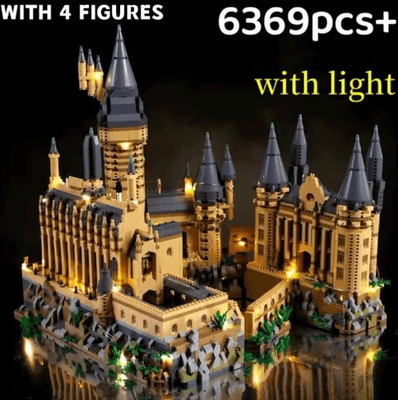
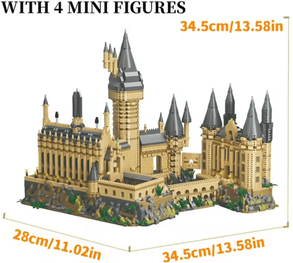
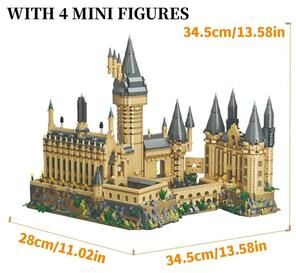
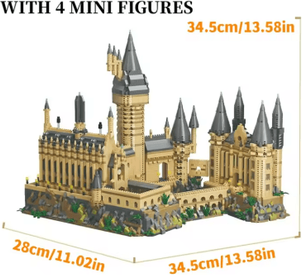
Uplift Essentials Medieval Magic Castle Micro Bricks School Architecture Palace Model High Yield Creative Interaction Hub no LightAchieve imagination optimization with this Precision MicroBrick Magic Castle. Specifically engineered for structural transparency, this highperformance technical tool acts as a vital tool for assembly efficiency, neutralizing the limitations of...224,97 $*Shipping: 0,00 $Secure redirect to the provider
-
From the Archives: Black History and Culture Value PackThis brand-new series is rooted in a profound commitment to shedding light on some of the important -- and often lesser-known -- aspects of Black history. From the Archives features landmarks, events, people, and artistic endeavors that have played...27,99 $*Shipping: 0,00 $Secure redirect to the provider
-
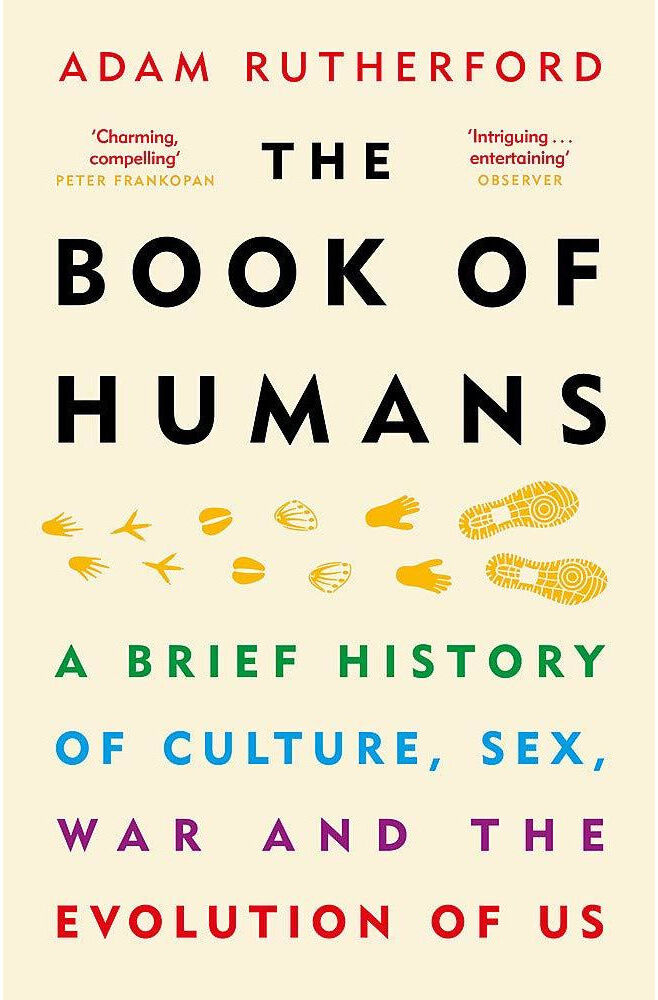
Orion The Book of Humans by Adam Rutherford – A Brief History of Culture, Sex, War & EvolutionWHAT MAKES US HUMAN? Waging war? Sex for pleasure? Creating art? Mastery of fire? In this thrilling tour of the animal kingdom, Adam Rutherford tells the story of how we became the unique creatures we are today. Illuminated by the latest scientific discoveries, THE BOOK OF HUMANS is a dazzling compendium of what unequivocally fixes us as animals, and reveals how we are extraordinary among them.4,98 £*Shipping: 1,99 £Secure redirect to the provider
-
Zygomatic Timeline Refresh 2026 Clutch Box - Card Game for 2-4 Players Ages 10+ History Culture TriviaTest your knowledge of history, culture, and everyday events with Timeline Refresh 2026, a compact card game for family and friends. Each round challenges players to place event cards in the correct chronological position, using the timeline already on the table as their guide. Choose an event card, estimate when it happened, and add it to the timeline. If your placement is correct, the card remains in play; if not, it is removed. The first player to position all their cards correctly wins. The game's accessible rules and varied subject matter make it an engaging way to challenge your memory and learn interesting facts while playing. The clutch box format is designed for convenient storage and portability.9,79 £*Shipping: 3,95 £Secure redirect to the provider


-
Do Germans not have a real culture?
This statement is a misconception. Germans have a rich and diverse culture that encompasses art, music, literature, philosophy, and more. Germany has a long history of cultural achievements and contributions to the world. From classical composers like Beethoven and Bach to influential philosophers like Kant and Nietzsche, German culture has had a significant impact globally. Additionally, Germany is known for its traditions, festivals, and regional customs that showcase the country's unique cultural identity. **
-
Are Germans proud of their history?
Germans have a complex relationship with their history. While there is pride in the country's cultural and scientific achievements, there is also a deep sense of shame and responsibility for the atrocities committed during the Nazi era. Many Germans are committed to acknowledging and learning from the darker chapters of their history, and there is a strong emphasis on education and remembrance to ensure that such events are never repeated. Overall, the pride in German history is tempered by a deep awareness of the need to confront and address the past. **
-
Is Neuschwanstein Castle a medieval castle?
No, Neuschwanstein Castle is not a medieval castle. It was built in the 19th century by King Ludwig II of Bavaria in a romanticized medieval style. The castle's design was inspired by medieval castles, but it was constructed using modern building techniques and materials. Despite its medieval appearance, Neuschwanstein Castle is considered a 19th-century palace. **
-
Why do Germans have a flat and pretentious culture?
It is not accurate to say that Germans have a flat and pretentious culture. Germany has a rich and diverse cultural heritage, with contributions to art, music, literature, philosophy, and science. The country is known for its precision engineering, strong work ethic, and commitment to quality. While some individuals may perceive Germans as being reserved or formal, it is important to recognize and appreciate the depth and complexity of their culture. **

What is the history of the ancient Germans?
The ancient Germans were a group of tribes that lived in what is now modern-day Germany and surrounding regions. They were known for their warrior culture and fierce independence. The ancient Germans were not a unified nation but rather a collection of tribes with their own customs and traditions. They came into contact with the Roman Empire and other neighboring civilizations, often engaging in conflicts and trade. Their history is characterized by migrations, battles, and interactions with other cultures, shaping the development of Europe during ancient times. **
Why are the French more confrontational in their protest and strike culture than the Germans? Why have the Germans embraced a culture of submission?
The French protest and strike culture is more confrontational than the German culture because of historical and cultural differences. France has a long history of revolutionary movements and a strong tradition of public dissent, while Germany has a history of authoritarian rule and a more collective approach to problem-solving. Additionally, the French value individual rights and are more willing to challenge authority, while the Germans have a strong sense of order and discipline, leading to a culture of submission. These differences in protest and strike culture reflect broader societal attitudes towards authority and conflict resolution in each country. **
Top-Angebote
Products related to Germans:
-
Inspire Picks Medieval Magic Castle Micro Building Block Set For Creative Architecture Play with LightEnter a world of fantasy, imagination, and handson creativity with this enchanting magic castle building block set inspired by medieval palaces and grand schoolstyle architecture. Designed with precision micro bricks, this detailed MOC construction...171,03 $*Shipping: 0,00 $Secure redirect to the provider
-
Inspire Curations Creative Medieval Magic Castle Micro Building Blocks School Architecture Palace DIY Set no LightStep into a world of imagination and craftsmanship with this intricate medieval castle building blocks set designed for creative minds. Built with precision micro bricks, this micro building blocks castle offers a detailed and rewarding assembly...225,50 $*Shipping: 0,00 $Secure redirect to the provider
-
Uplift Essentials Medieval Magic Castle Micro Bricks School Architecture Palace Model High Yield Creative Interaction Hub no LightAchieve imagination optimization with this Precision MicroBrick Magic Castle. Specifically engineered for structural transparency, this highperformance technical tool acts as a vital tool for assembly efficiency, neutralizing the limitations of...224,97 $*Shipping: 0,00 $Secure redirect to the provider
-
From the Archives: Black History and Culture Value PackThis brand-new series is rooted in a profound commitment to shedding light on some of the important -- and often lesser-known -- aspects of Black history. From the Archives features landmarks, events, people, and artistic endeavors that have played...27,99 $*Shipping: 0,00 $Secure redirect to the provider
-
Are Transylvanians now Germans or Germans with Eastern European culture?
Transylvanians are a distinct ethnic group with a unique cultural identity that is a blend of German and Eastern European influences. While many Transylvanians have German ancestry and speak German as their first language, they also have strong ties to the Eastern European region in terms of traditions, customs, and history. Therefore, it would be more accurate to describe Transylvanians as a group with a mix of German and Eastern European culture, rather than simply categorizing them as Germans. **
-
Do the Germans have a culture?
Yes, the Germans have a rich and diverse culture that encompasses a wide range of traditions, customs, and artistic expressions. From literature and philosophy to music and art, Germany has made significant contributions to the world's cultural heritage. Additionally, German cuisine, festivals, and regional traditions also play a significant role in shaping the country's cultural identity. Overall, Germany's culture is a reflection of its history, geography, and the various influences that have shaped the nation over the centuries. **
-
Do Germans not have a real culture?
This statement is a misconception. Germans have a rich and diverse culture that encompasses art, music, literature, philosophy, and more. Germany has a long history of cultural achievements and contributions to the world. From classical composers like Beethoven and Bach to influential philosophers like Kant and Nietzsche, German culture has had a significant impact globally. Additionally, Germany is known for its traditions, festivals, and regional customs that showcase the country's unique cultural identity. **
-
Are Germans proud of their history?
Germans have a complex relationship with their history. While there is pride in the country's cultural and scientific achievements, there is also a deep sense of shame and responsibility for the atrocities committed during the Nazi era. Many Germans are committed to acknowledging and learning from the darker chapters of their history, and there is a strong emphasis on education and remembrance to ensure that such events are never repeated. Overall, the pride in German history is tempered by a deep awareness of the need to confront and address the past. **
Similar search terms for Germans
-
Orion The Book of Humans by Adam Rutherford – A Brief History of Culture, Sex, War & EvolutionWHAT MAKES US HUMAN? Waging war? Sex for pleasure? Creating art? Mastery of fire? In this thrilling tour of the animal kingdom, Adam Rutherford tells the story of how we became the unique creatures we are today. Illuminated by the latest scientific discoveries, THE BOOK OF HUMANS is a dazzling compendium of what unequivocally fixes us as animals, and reveals how we are extraordinary among them.4,98 £*Shipping: 1,99 £Secure redirect to the provider
-
Zygomatic Timeline Refresh 2026 Clutch Box - Card Game for 2-4 Players Ages 10+ History Culture TriviaTest your knowledge of history, culture, and everyday events with Timeline Refresh 2026, a compact card game for family and friends. Each round challenges players to place event cards in the correct chronological position, using the timeline already on the table as their guide. Choose an event card, estimate when it happened, and add it to the timeline. If your placement is correct, the card remains in play; if not, it is removed. The first player to position all their cards correctly wins. The game's accessible rules and varied subject matter make it an engaging way to challenge your memory and learn interesting facts while playing. The clutch box format is designed for convenient storage and portability.9,79 £*Shipping: 3,95 £Secure redirect to the provider
-
Inspire Essentials Medieval Magic Castle Micro Building Blocks Set aBring fantasy adventures to life with this beautifully crafted medieval castle building set designed for creative minds and collectors alike. Featuring detailed micro building blocks, this immersive construction toy offers a rewarding hands on...138,98 $*Shipping: 0,00 $Secure redirect to the provider
-
Inspire Picks Medieval Magic Castle Micro Building Block Set For Creative Architecture Play no LightEnter a world of fantasy, imagination, and handson creativity with this enchanting magic castle building block set inspired by medieval palaces and grand schoolstyle architecture. Designed with precision micro bricks, this detailed MOC construction...167,25 $*Shipping: 0,00 $Secure redirect to the provider
-
Is Neuschwanstein Castle a medieval castle?
No, Neuschwanstein Castle is not a medieval castle. It was built in the 19th century by King Ludwig II of Bavaria in a romanticized medieval style. The castle's design was inspired by medieval castles, but it was constructed using modern building techniques and materials. Despite its medieval appearance, Neuschwanstein Castle is considered a 19th-century palace. **
-
Why do Germans have a flat and pretentious culture?
It is not accurate to say that Germans have a flat and pretentious culture. Germany has a rich and diverse cultural heritage, with contributions to art, music, literature, philosophy, and science. The country is known for its precision engineering, strong work ethic, and commitment to quality. While some individuals may perceive Germans as being reserved or formal, it is important to recognize and appreciate the depth and complexity of their culture. **
-
What is the history of the ancient Germans?
The ancient Germans were a group of tribes that lived in what is now modern-day Germany and surrounding regions. They were known for their warrior culture and fierce independence. The ancient Germans were not a unified nation but rather a collection of tribes with their own customs and traditions. They came into contact with the Roman Empire and other neighboring civilizations, often engaging in conflicts and trade. Their history is characterized by migrations, battles, and interactions with other cultures, shaping the development of Europe during ancient times. **
-
Why are the French more confrontational in their protest and strike culture than the Germans? Why have the Germans embraced a culture of submission?
The French protest and strike culture is more confrontational than the German culture because of historical and cultural differences. France has a long history of revolutionary movements and a strong tradition of public dissent, while Germany has a history of authoritarian rule and a more collective approach to problem-solving. Additionally, the French value individual rights and are more willing to challenge authority, while the Germans have a strong sense of order and discipline, leading to a culture of submission. These differences in protest and strike culture reflect broader societal attitudes towards authority and conflict resolution in each country. **
* All prices are inclusive of VAT and, if applicable, plus shipping costs. The offer information is based on the details provided by the respective shop and is updated through automated processes. Real-time updates do not occur, so deviations can occur in individual cases. ** Note: Parts of this content were created by AI.