Buy wittenburg.eu ?
We are moving the project
wittenburg.eu .
Are you interested in purchasing the domain
wittenburg.eu ?
domain@kv-gmbh.de · 0541-91531010
Buy wittenburg.eu ?
Is Feuerbach right?
Feuerbach's philosophy, which emphasizes the idea that God is a projection of human qualities and desires, has been influential in shaping modern atheistic and humanistic thought. While his critique of religion as a projection of human needs and desires can offer valuable insights into the nature of belief, it is ultimately a reductionist view that overlooks the complexity and diversity of religious experiences and beliefs. Therefore, while Feuerbach's ideas can be thought-provoking and illuminating, they may not fully capture the richness and depth of religious faith for all individuals. **
Who is Ludwig Feuerbach?
Ludwig Feuerbach was a German philosopher and anthropologist who lived in the 19th century. He is best known for his critique of religion, particularly his idea that God is a projection of human qualities and desires. Feuerbach's work had a significant influence on the development of atheism and humanism, and he is considered a key figure in the history of Western philosophy. His ideas also had an impact on the development of existentialism and the philosophy of religion. **


Similar search terms for Feuerbach
Top-Angebote
Products related to Feuerbach:
-
From the Archives: Black History and Culture Value PackThis brand-new series is rooted in a profound commitment to shedding light on some of the important -- and often lesser-known -- aspects of Black history. From the Archives features landmarks, events, people, and artistic endeavors that have played...27,99 $*Shipping: 0,00 $Secure redirect to the provider
-
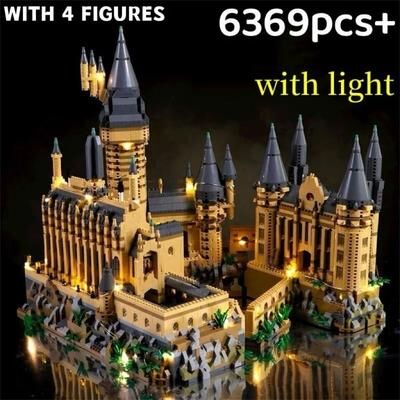
Uplift Essentials Medieval Magic Castle Micro Bricks School Architecture Palace Model High Yield Creative Interaction Hub with LightAchieve imagination optimization with this Precision MicroBrick Magic Castle. Specifically engineered for structural transparency, this highperformance technical tool acts as a vital tool for assembly efficiency, neutralizing the limitations of...226,97 $*Shipping: 0,00 $Secure redirect to the provider
-
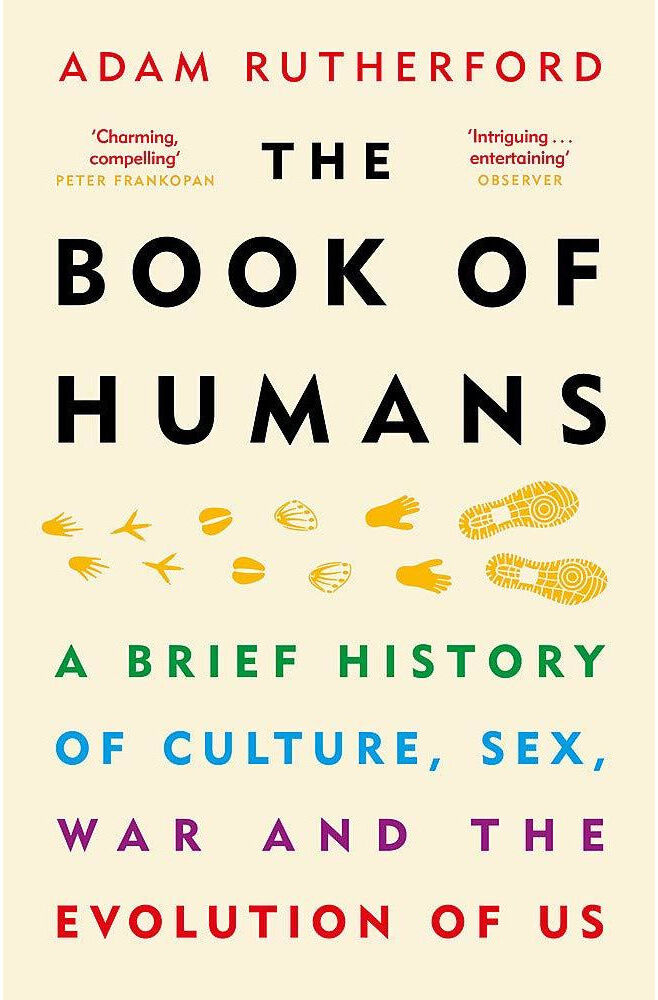
Orion The Book of Humans by Adam Rutherford – A Brief History of Culture, Sex, War & EvolutionWHAT MAKES US HUMAN? Waging war? Sex for pleasure? Creating art? Mastery of fire? In this thrilling tour of the animal kingdom, Adam Rutherford tells the story of how we became the unique creatures we are today. Illuminated by the latest scientific discoveries, THE BOOK OF HUMANS is a dazzling compendium of what unequivocally fixes us as animals, and reveals how we are extraordinary among them.4,98 £*Shipping: 1,99 £Secure redirect to the provider
-
Zygomatic Timeline Refresh 2026 Clutch Box - Card Game for 2-4 Players Ages 10+ History Culture TriviaTest your knowledge of history, culture, and everyday events with Timeline Refresh 2026, a compact card game for family and friends. Each round challenges players to place event cards in the correct chronological position, using the timeline already on the table as their guide. Choose an event card, estimate when it happened, and add it to the timeline. If your placement is correct, the card remains in play; if not, it is removed. The first player to position all their cards correctly wins. The game's accessible rules and varied subject matter make it an engaging way to challenge your memory and learn interesting facts while playing. The clutch box format is designed for convenient storage and portability.9,59 £*Shipping: 3,95 £Secure redirect to the provider


-
Who was Ludwig Feuerbach?
Ludwig Feuerbach was a 19th-century German philosopher and anthropologist who is best known for his critique of religion and his influence on the development of Marxist theory. He argued that religion was a projection of human ideals and desires onto a divine being, and that the true source of these ideals and desires was human nature itself. This idea had a significant impact on the development of atheism and secular humanism. Feuerbach's work also influenced the young Karl Marx, who incorporated many of his ideas into his own critique of religion and society. **
-
What is the counterargument of Feuerbach?
Feuerbach's main argument is that religion is a projection of human desires and qualities onto a divine being, and that God is essentially a reflection of human nature. The counterargument to Feuerbach's view is that religion is not simply a projection of human desires, but rather a response to a transcendent reality that exists independently of human perception. Proponents of this counterargument argue that religious experiences and beliefs cannot be reduced to mere projections, and that they point to a deeper, spiritual dimension of reality that goes beyond human understanding. **
-
What is Marx's criticism of Feuerbach?
Marx's criticism of Feuerbach centers around the idea that Feuerbach's materialism is still rooted in idealism. Marx argues that Feuerbach's focus on the individual and human essence fails to address the broader social and economic forces that shape human existence. Marx criticizes Feuerbach for not recognizing the role of material conditions and economic relations in shaping human consciousness and society. Marx also argues that Feuerbach's emphasis on contemplation and philosophical speculation does not lead to practical change or revolution. Overall, Marx criticizes Feuerbach for not going far enough in his materialist analysis and for not connecting his philosophy to the need for social and economic transformation. **
-
Did Feuerbach reject the morality of Christianity?
Yes, Feuerbach rejected the morality of Christianity. He believed that Christian morality was based on self-denial and the suppression of human desires, which he saw as detrimental to human flourishing. Feuerbach argued that true morality should be based on the fulfillment of human needs and desires, rather than on obedience to divine commands. He believed that Christianity's emphasis on otherworldly rewards and punishments detracted from the importance of living a fulfilling and ethical life in the here and now. **

How do you go through the Feuerbach?
To go through the Feuerbach, you can start by understanding its key concepts and ideas, such as his critique of religion and his emphasis on human consciousness and self-awareness. Then, you can read Feuerbach's major works, such as "The Essence of Christianity," to gain a deeper understanding of his philosophy. It's also helpful to study the responses and critiques of Feuerbach's ideas by other philosophers, as well as the historical context in which he was writing. Finally, reflecting on how Feuerbach's ideas relate to your own understanding of religion, consciousness, and human nature can help you fully engage with his philosophy. **
How do you walk through the Feuerbach?
To walk through the Feuerbach, one would start by entering the neighborhood and taking in the beautiful architecture and green spaces. The Feuerbach is known for its charming streets and historic buildings, so taking a leisurely stroll through the area would allow one to appreciate the unique character of the neighborhood. Along the way, one could also stop at local shops, cafes, and restaurants to get a sense of the community and its offerings. Overall, walking through the Feuerbach would provide a peaceful and picturesque experience. **
Top-Angebote
Products related to Feuerbach:
-
Inspire Picks Medieval Magic Castle Micro Building Block Set For Creative Architecture Play with LightEnter a world of fantasy, imagination, and handson creativity with this enchanting magic castle building block set inspired by medieval palaces and grand schoolstyle architecture. Designed with precision micro bricks, this detailed MOC construction...171,03 $*Shipping: 0,00 $Secure redirect to the provider
-
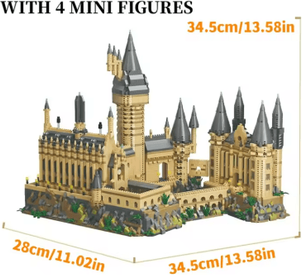
Inspire Curations Creative Medieval Magic Castle Micro Building Blocks School Architecture Palace DIY Set with LightStep into a world of imagination and craftsmanship with this intricate medieval castle building blocks set designed for creative minds. Built with precision micro bricks, this micro building blocks castle offers a detailed and rewarding assembly...230,00 $*Shipping: 0,00 $Secure redirect to the provider
-
From the Archives: Black History and Culture Value PackThis brand-new series is rooted in a profound commitment to shedding light on some of the important -- and often lesser-known -- aspects of Black history. From the Archives features landmarks, events, people, and artistic endeavors that have played...27,99 $*Shipping: 0,00 $Secure redirect to the provider
-
Uplift Essentials Medieval Magic Castle Micro Bricks School Architecture Palace Model High Yield Creative Interaction Hub with LightAchieve imagination optimization with this Precision MicroBrick Magic Castle. Specifically engineered for structural transparency, this highperformance technical tool acts as a vital tool for assembly efficiency, neutralizing the limitations of...226,97 $*Shipping: 0,00 $Secure redirect to the provider
-
Is Feuerbach right?
Feuerbach's philosophy, which emphasizes the idea that God is a projection of human qualities and desires, has been influential in shaping modern atheistic and humanistic thought. While his critique of religion as a projection of human needs and desires can offer valuable insights into the nature of belief, it is ultimately a reductionist view that overlooks the complexity and diversity of religious experiences and beliefs. Therefore, while Feuerbach's ideas can be thought-provoking and illuminating, they may not fully capture the richness and depth of religious faith for all individuals. **
-
Who is Ludwig Feuerbach?
Ludwig Feuerbach was a German philosopher and anthropologist who lived in the 19th century. He is best known for his critique of religion, particularly his idea that God is a projection of human qualities and desires. Feuerbach's work had a significant influence on the development of atheism and humanism, and he is considered a key figure in the history of Western philosophy. His ideas also had an impact on the development of existentialism and the philosophy of religion. **
-
Who was Ludwig Feuerbach?
Ludwig Feuerbach was a 19th-century German philosopher and anthropologist who is best known for his critique of religion and his influence on the development of Marxist theory. He argued that religion was a projection of human ideals and desires onto a divine being, and that the true source of these ideals and desires was human nature itself. This idea had a significant impact on the development of atheism and secular humanism. Feuerbach's work also influenced the young Karl Marx, who incorporated many of his ideas into his own critique of religion and society. **
-
What is the counterargument of Feuerbach?
Feuerbach's main argument is that religion is a projection of human desires and qualities onto a divine being, and that God is essentially a reflection of human nature. The counterargument to Feuerbach's view is that religion is not simply a projection of human desires, but rather a response to a transcendent reality that exists independently of human perception. Proponents of this counterargument argue that religious experiences and beliefs cannot be reduced to mere projections, and that they point to a deeper, spiritual dimension of reality that goes beyond human understanding. **
Similar search terms for Feuerbach
-
Orion The Book of Humans by Adam Rutherford – A Brief History of Culture, Sex, War & EvolutionWHAT MAKES US HUMAN? Waging war? Sex for pleasure? Creating art? Mastery of fire? In this thrilling tour of the animal kingdom, Adam Rutherford tells the story of how we became the unique creatures we are today. Illuminated by the latest scientific discoveries, THE BOOK OF HUMANS is a dazzling compendium of what unequivocally fixes us as animals, and reveals how we are extraordinary among them.4,98 £*Shipping: 1,99 £Secure redirect to the provider
-
Zygomatic Timeline Refresh 2026 Clutch Box - Card Game for 2-4 Players Ages 10+ History Culture TriviaTest your knowledge of history, culture, and everyday events with Timeline Refresh 2026, a compact card game for family and friends. Each round challenges players to place event cards in the correct chronological position, using the timeline already on the table as their guide. Choose an event card, estimate when it happened, and add it to the timeline. If your placement is correct, the card remains in play; if not, it is removed. The first player to position all their cards correctly wins. The game's accessible rules and varied subject matter make it an engaging way to challenge your memory and learn interesting facts while playing. The clutch box format is designed for convenient storage and portability.9,59 £*Shipping: 3,95 £Secure redirect to the provider
-
Inspire Essentials Medieval Magic Castle Micro Building Blocks Set bBring fantasy adventures to life with this beautifully crafted medieval castle building set designed for creative minds and collectors alike. Featuring detailed micro building blocks, this immersive construction toy offers a rewarding hands on...138,98 $*Shipping: 0,00 $Secure redirect to the provider
-
Inspire Picks Medieval Magic Castle Micro Building Block Set For Creative Architecture Play no LightEnter a world of fantasy, imagination, and handson creativity with this enchanting magic castle building block set inspired by medieval palaces and grand schoolstyle architecture. Designed with precision micro bricks, this detailed MOC construction...167,25 $*Shipping: 0,00 $Secure redirect to the provider
-
What is Marx's criticism of Feuerbach?
Marx's criticism of Feuerbach centers around the idea that Feuerbach's materialism is still rooted in idealism. Marx argues that Feuerbach's focus on the individual and human essence fails to address the broader social and economic forces that shape human existence. Marx criticizes Feuerbach for not recognizing the role of material conditions and economic relations in shaping human consciousness and society. Marx also argues that Feuerbach's emphasis on contemplation and philosophical speculation does not lead to practical change or revolution. Overall, Marx criticizes Feuerbach for not going far enough in his materialist analysis and for not connecting his philosophy to the need for social and economic transformation. **
-
Did Feuerbach reject the morality of Christianity?
Yes, Feuerbach rejected the morality of Christianity. He believed that Christian morality was based on self-denial and the suppression of human desires, which he saw as detrimental to human flourishing. Feuerbach argued that true morality should be based on the fulfillment of human needs and desires, rather than on obedience to divine commands. He believed that Christianity's emphasis on otherworldly rewards and punishments detracted from the importance of living a fulfilling and ethical life in the here and now. **
-
How do you go through the Feuerbach?
To go through the Feuerbach, you can start by understanding its key concepts and ideas, such as his critique of religion and his emphasis on human consciousness and self-awareness. Then, you can read Feuerbach's major works, such as "The Essence of Christianity," to gain a deeper understanding of his philosophy. It's also helpful to study the responses and critiques of Feuerbach's ideas by other philosophers, as well as the historical context in which he was writing. Finally, reflecting on how Feuerbach's ideas relate to your own understanding of religion, consciousness, and human nature can help you fully engage with his philosophy. **
-
How do you walk through the Feuerbach?
To walk through the Feuerbach, one would start by entering the neighborhood and taking in the beautiful architecture and green spaces. The Feuerbach is known for its charming streets and historic buildings, so taking a leisurely stroll through the area would allow one to appreciate the unique character of the neighborhood. Along the way, one could also stop at local shops, cafes, and restaurants to get a sense of the community and its offerings. Overall, walking through the Feuerbach would provide a peaceful and picturesque experience. **
* All prices are inclusive of VAT and, if applicable, plus shipping costs. The offer information is based on the details provided by the respective shop and is updated through automated processes. Real-time updates do not occur, so deviations can occur in individual cases. ** Note: Parts of this content were created by AI.